As Seen On:

” If you are fascinated by aurora and hope to see it someday (on or above our planet), you need to follow Tamitha Skov. “
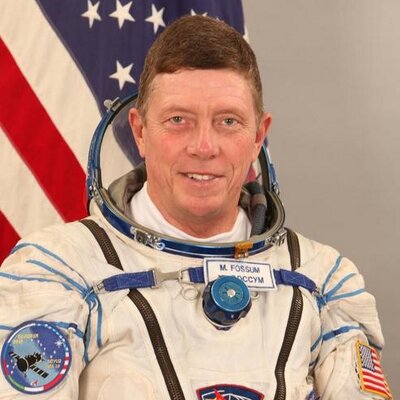 Mike Fossum, NASA Astronaut
“We hold quarterly HF Communications Exercises with the Amateur Radio Community. Although the solar wind is great for aurora it’s a nightmare for us. Keep up the great work.”
 Bob Jordan AAA2R9 / KD2BQM / WQSG766, Civil Affairs Officer, US Army MARS Region 2
 “Your work is helpful, important, and inspiring– not only to me but also to my 12-year-old step daughter who now has an interest in space weather!”
 Kiki Valentine, Independent Consultant
Great, consistent content. I appreciate especially how the presenter IDs groups for whom data points might be relevant: aurora photogs, air travelers, radio operators. The job is definitely futuristic. It’s just that the future, finally, is now.
 Building Center
Space Weather Woman
Dr. Tamitha Skov
Dr. Tamitha Skov is a new kind of weather forecaster for our modern world. As we become more reliant on technology like our cell phones, GPS (GNSS), and other satellite services we find we are more susceptible to the effects of Space Weather. Just like terrestrial weather on Earth, Space Weather can be as mild as a rainstorm or as wild as a hurricane.
Let Tamitha show you in non-science jargon how this new kind of weather impacts your daily life. You will never look at the Sun or the Earth in the same way again. After all, Space Weather is just like the weather in your own backyard, it’s just a little further up.
Latest Video Forecast
Latest Audio Podcast
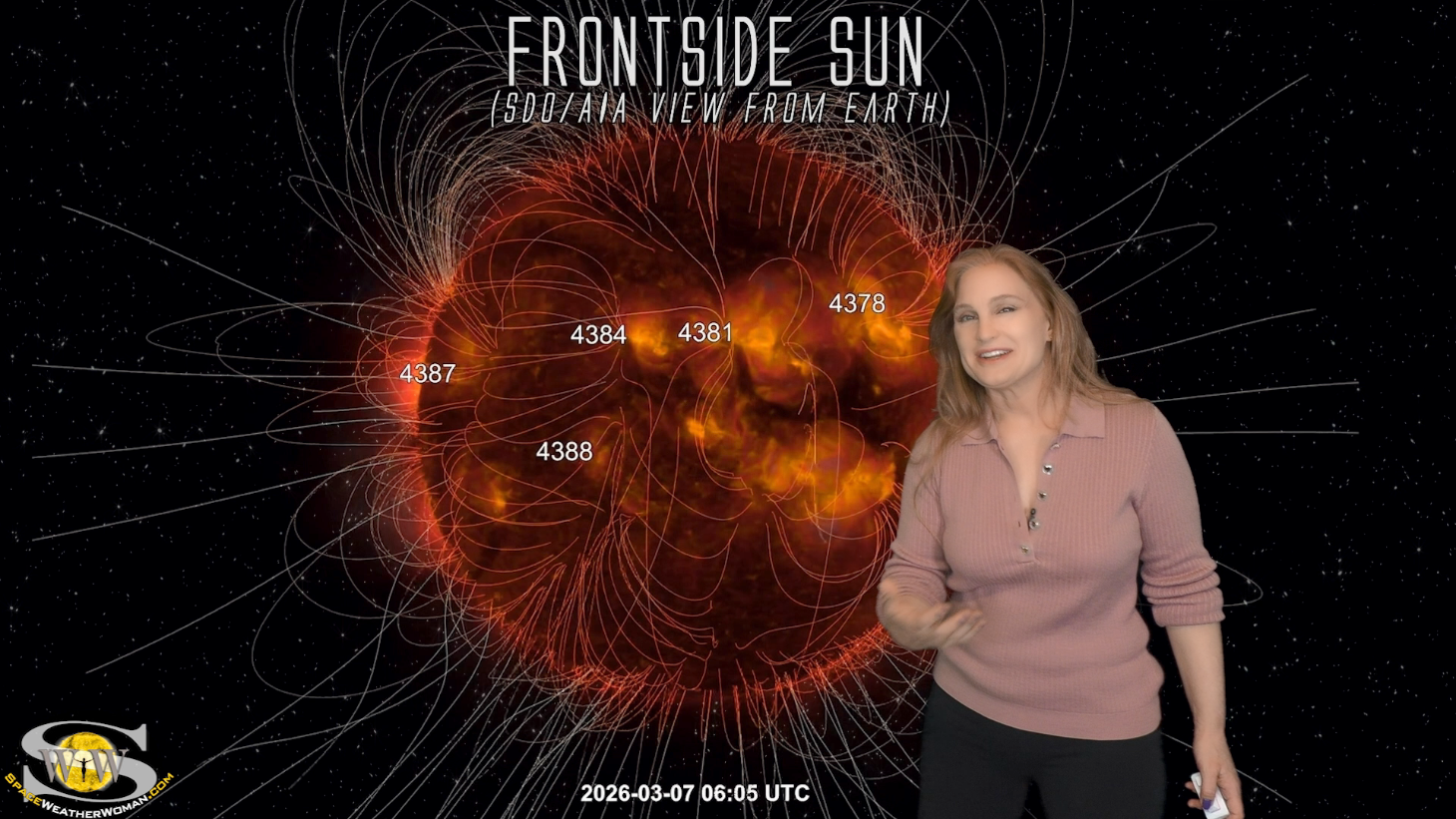
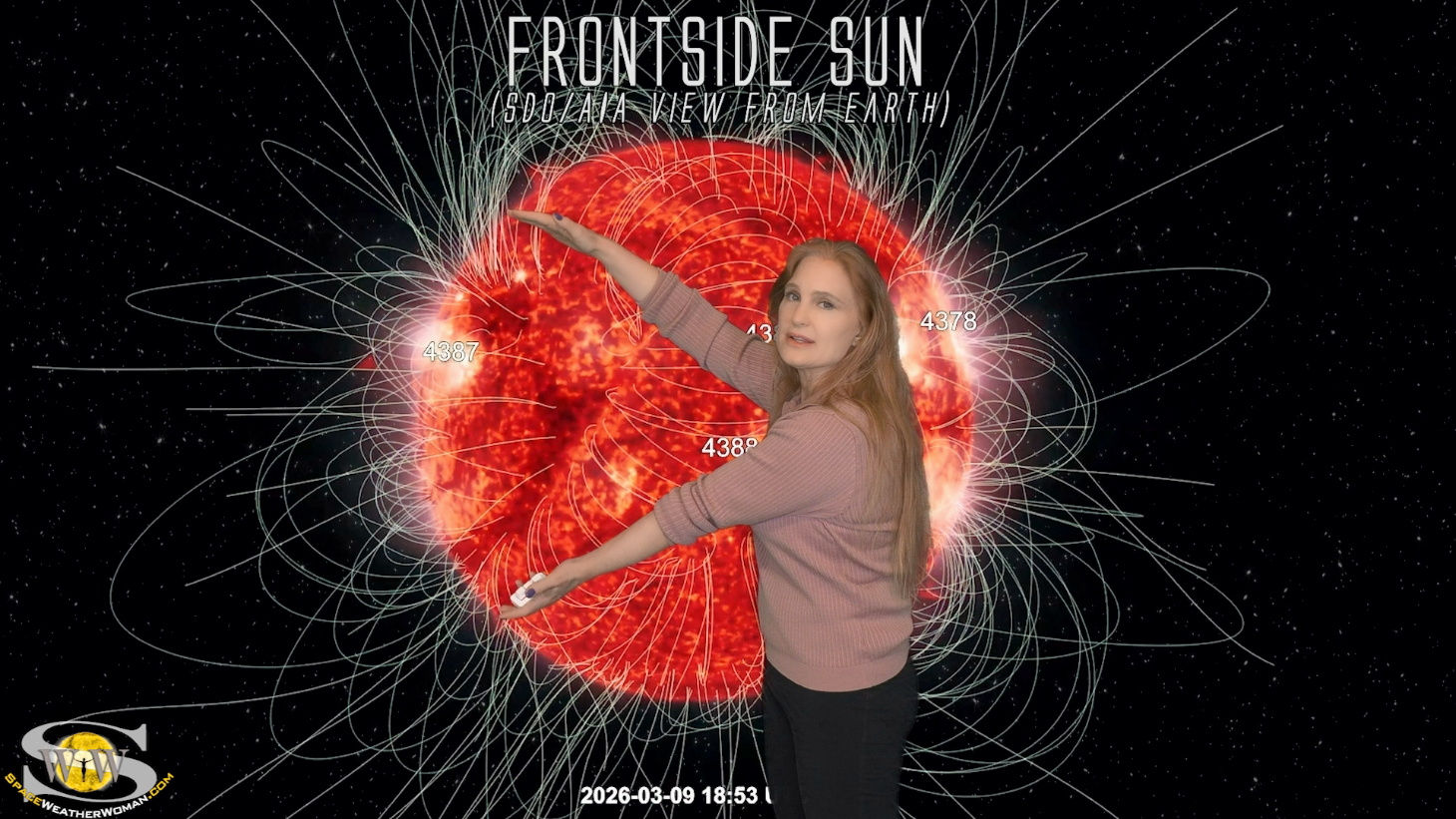
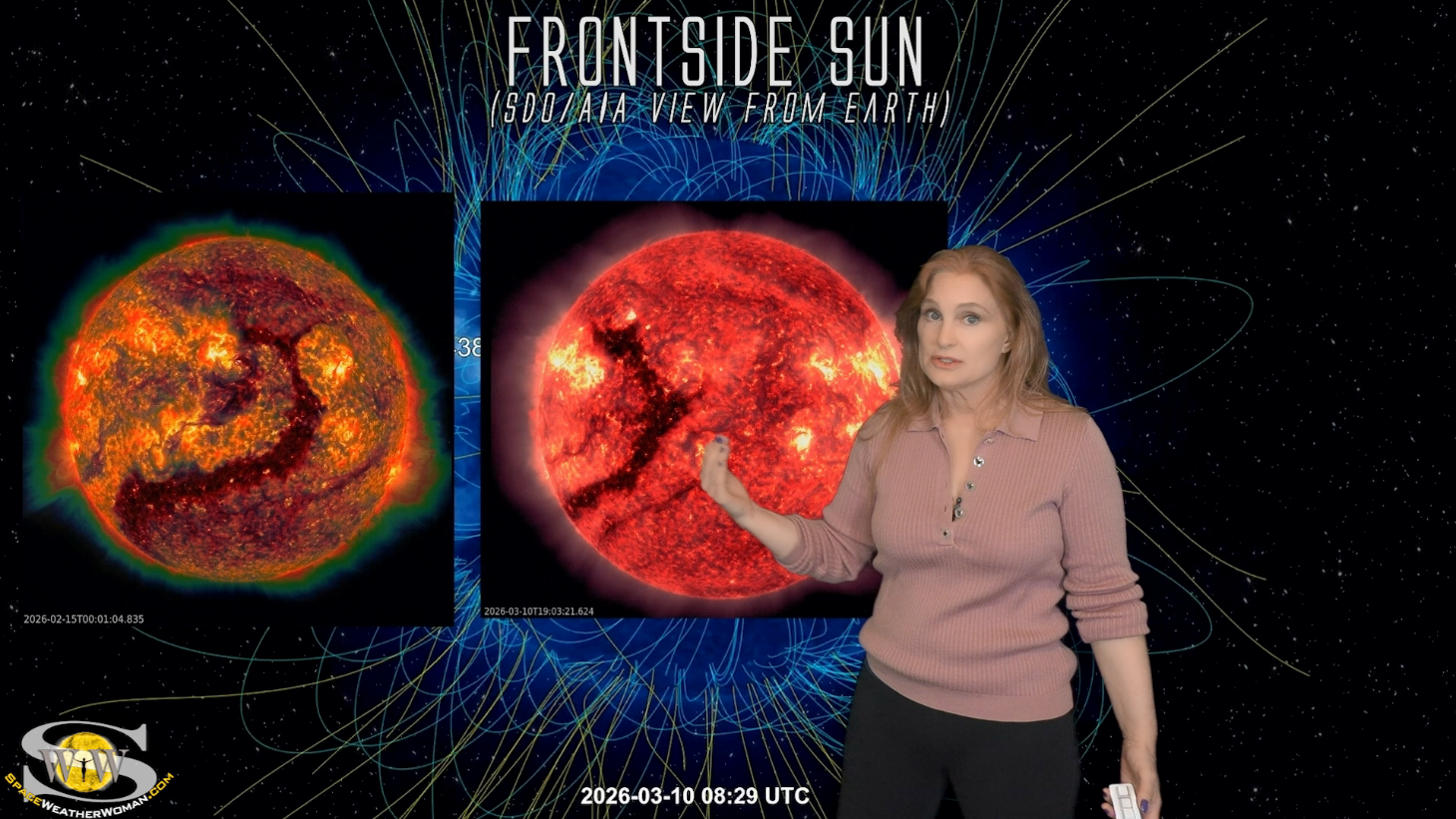
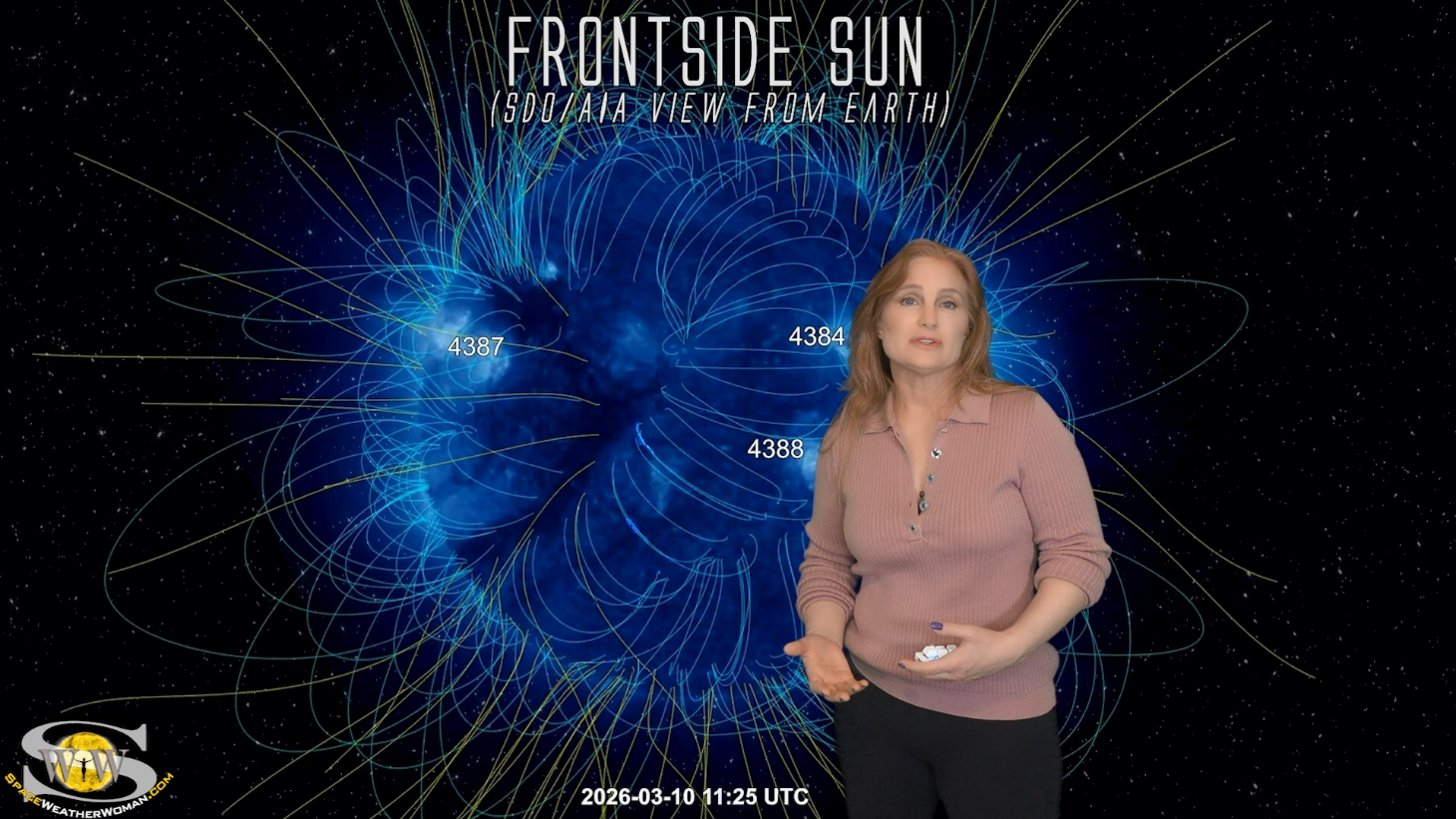
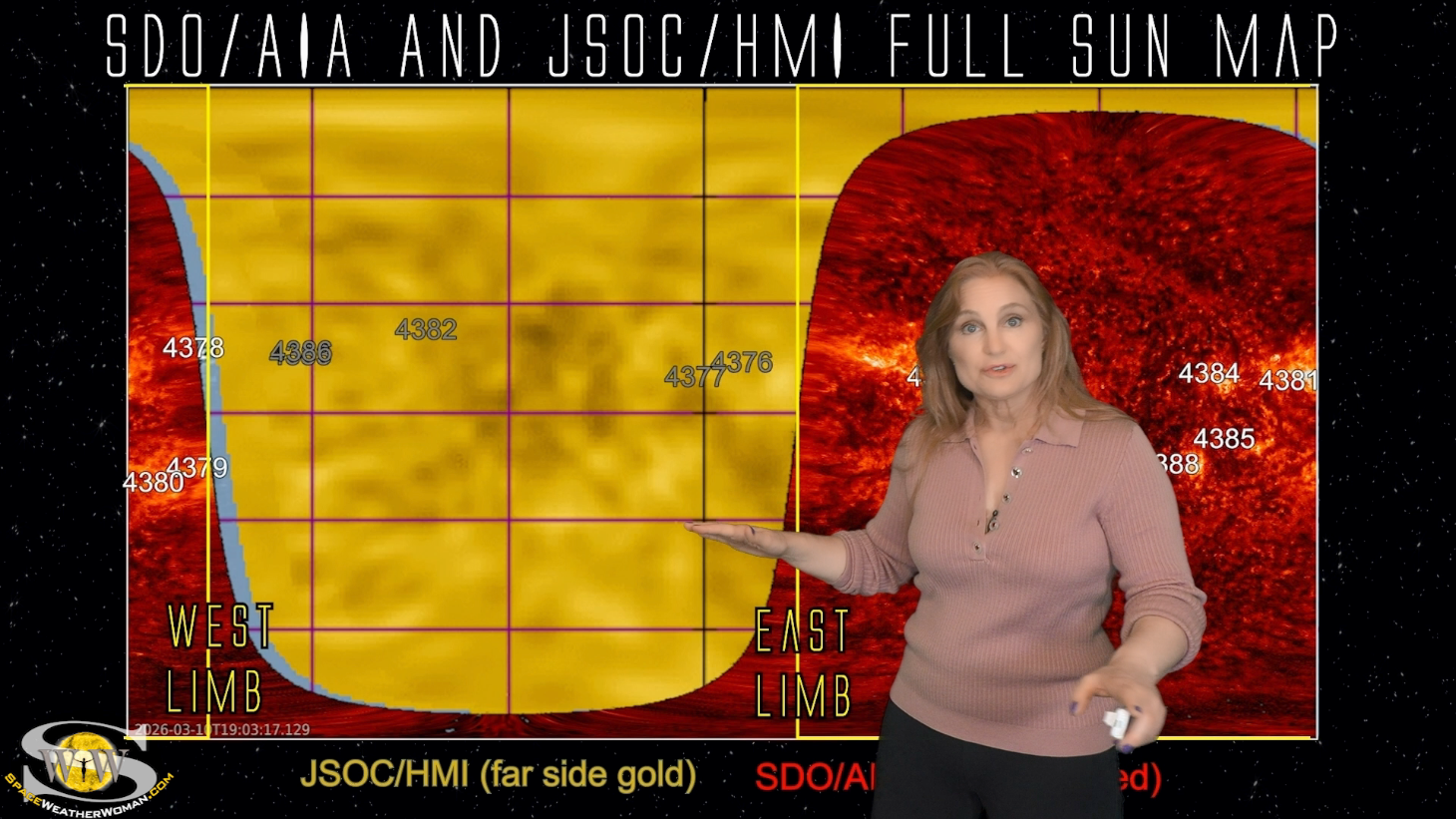
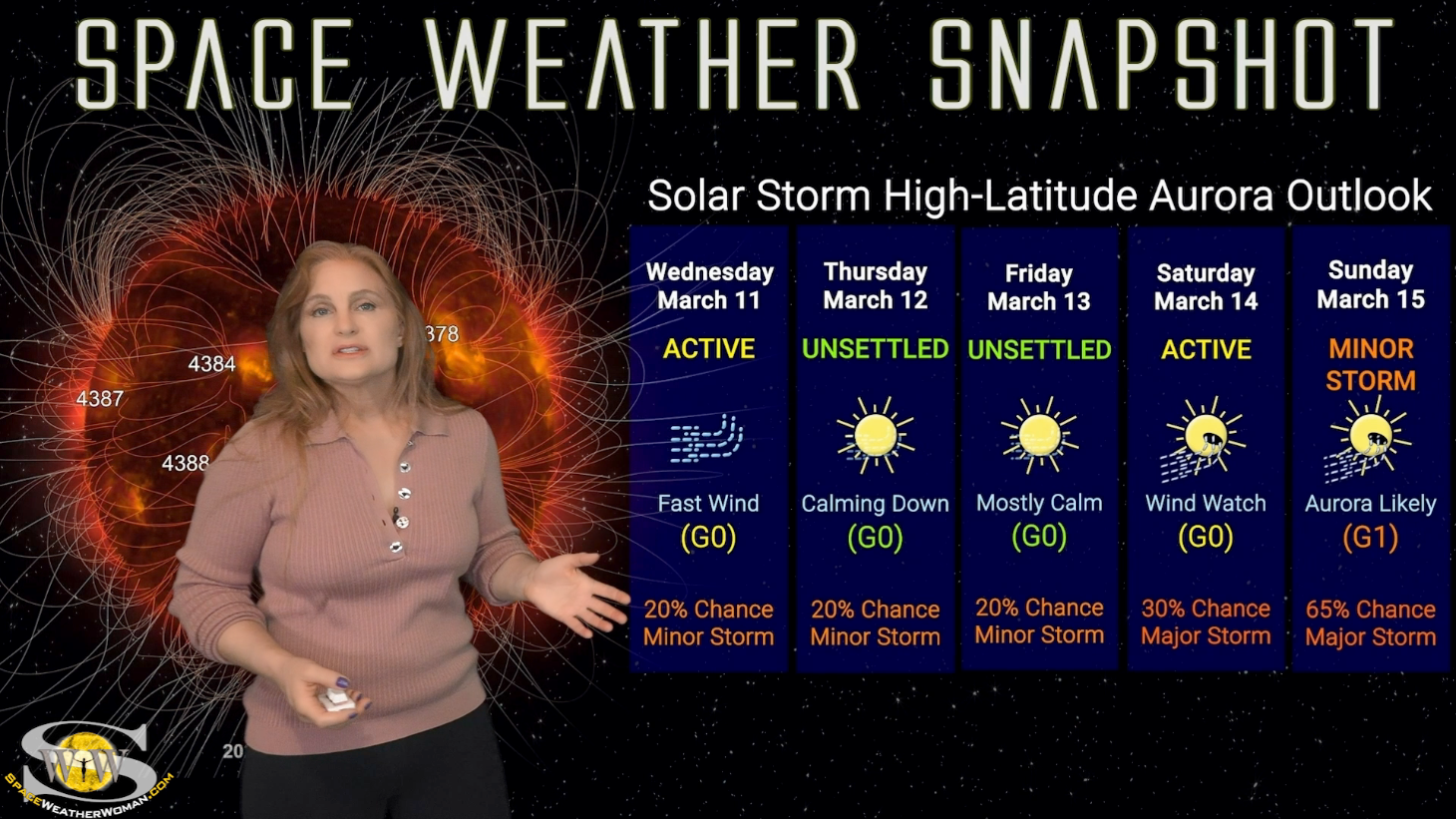
Fast Wind Flows & A Spotless Farside | Space Weather Mid Week 11 March 2026
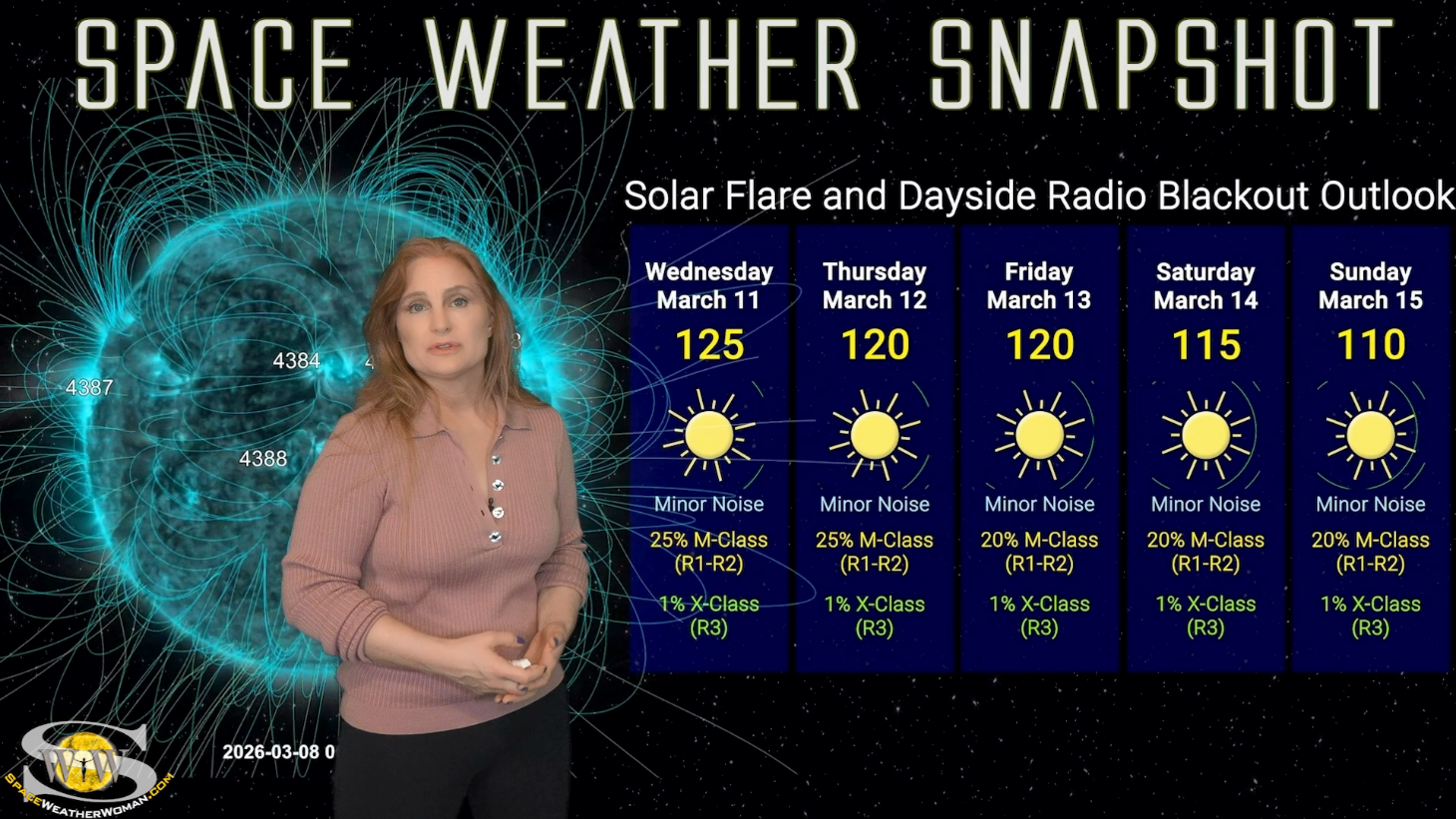
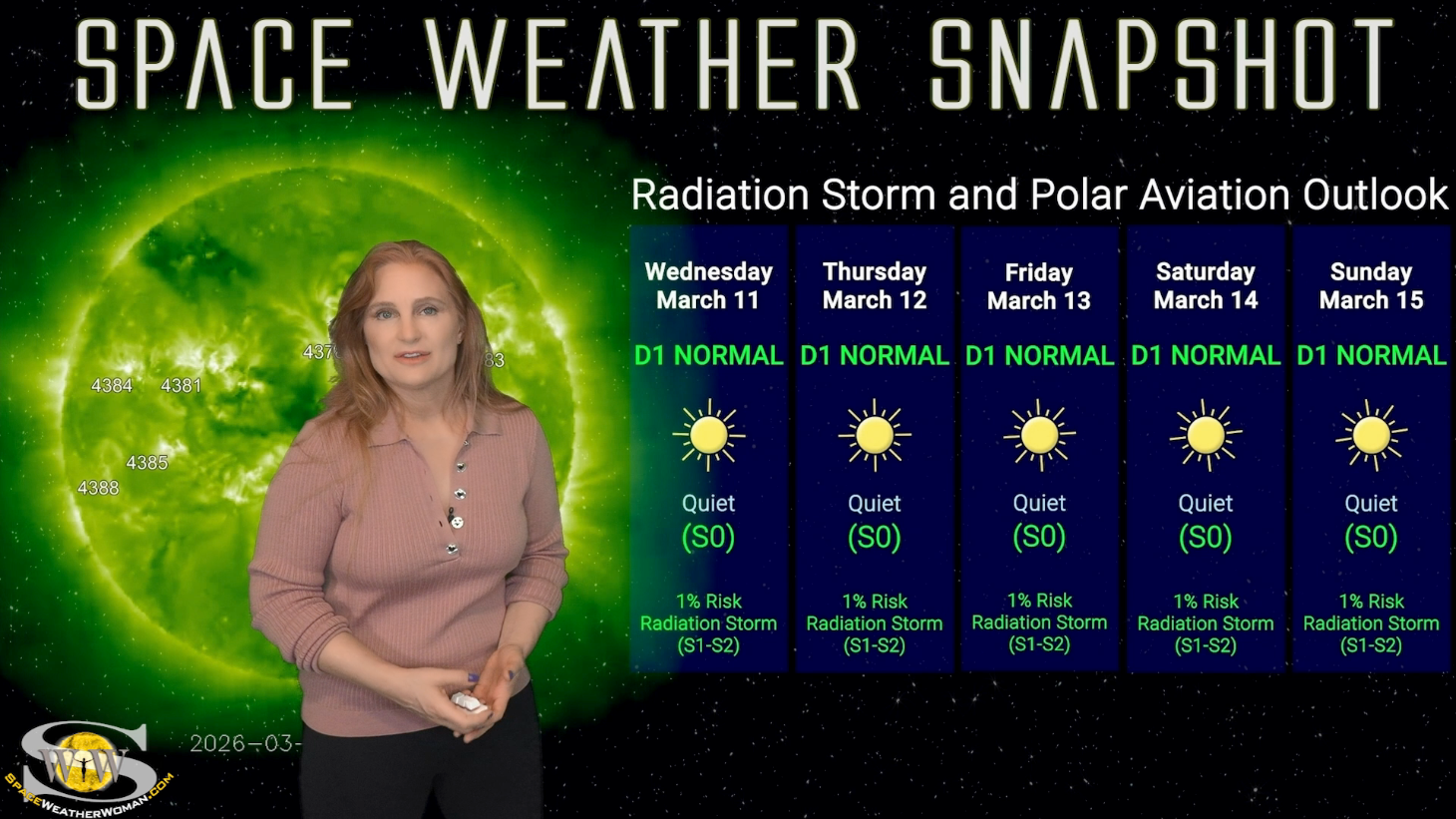
Space weather is calming down after recent activity, with fast solar wind and a mini-solar storm launch causing us to reach storm levels. But more is on the way. This weekend, expect more aurora due to more fast solar wind. It also looks like we will be headed for a spotless Sun again soon. Check out the details as well as the chances for aurora, solar flares, and potential for radio blackouts too. Get the full outlook for the week ahead!


Podcast: Play in new window | Download (Duration: 9:49 — 13.5MB)
Subscribe: Apple Podcasts | Spotify | RSS
How Does Space Weather Affect Us?
Here are some things to ponder:
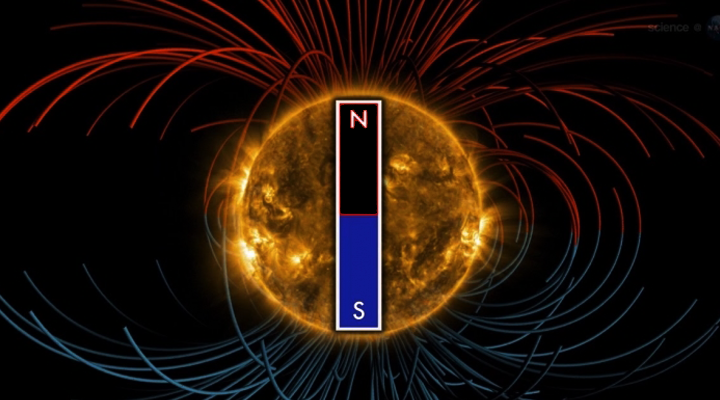
Does the Sun’s Magnetic Field Flip?
THE SUN’S MAGNETIC FIELD What happens when
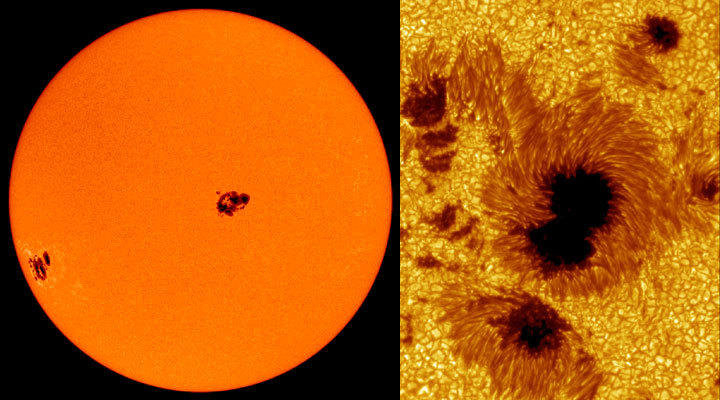
Comparison of Solar Super Storms
MOST PEOPLE JUST DO NOT KNOW

The PhoneSat Paradigm
SWARMS OF CELL PHONES IN SPACE
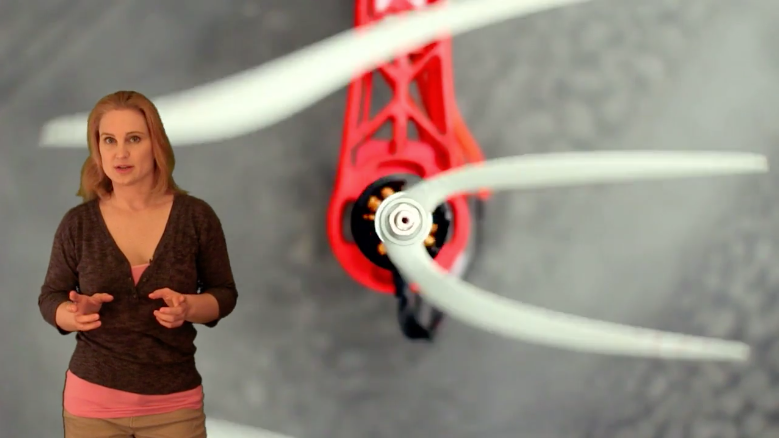
Is the Drone Revolution Space Weather Ready?
HOW WELL DO YOU KNOW YOUR DRONE?

Space Weather in our Modern World
MORE PEOPLE HAVE CELL PHONES THAN TOILETS ON EARTH